How Do Blood Collection Tubes Help Maintain Chain of Custody in Testing?
One tiny mix-up can ruin a test result. A wrong label. A loose cap. A missed signature. Things go south fast. Labs handle serious cases every day. Drug screens. DNA tests. Legal claims. Medical checks. So they need tight control from start to finish. Blood collection tubes help keep samples safe, labeled, and traceable. They are small tools with a big job. When used right, they lock down the process and protect the truth. Let’s break it down in simple terms.
What Is Chain of Custody?
Chain of custody means tracking a sample from the moment it is collected until testing ends. Every step gets recorded. Every person who handles it signs off.
Think of it like passing a baton in a relay race. If someone drops it, the whole team loses.
In medical and legal testing, this record proves:
- The sample belongs to the right person
- No one tampered with it
- The sample stayed safe during transport
- The results match the original specimen
Without this record, results lose value. In court, a broken chain can get evidence tossed out. In healthcare, it can delay treatment. Nobody wants that headache.
Why Proper Tubes Matter
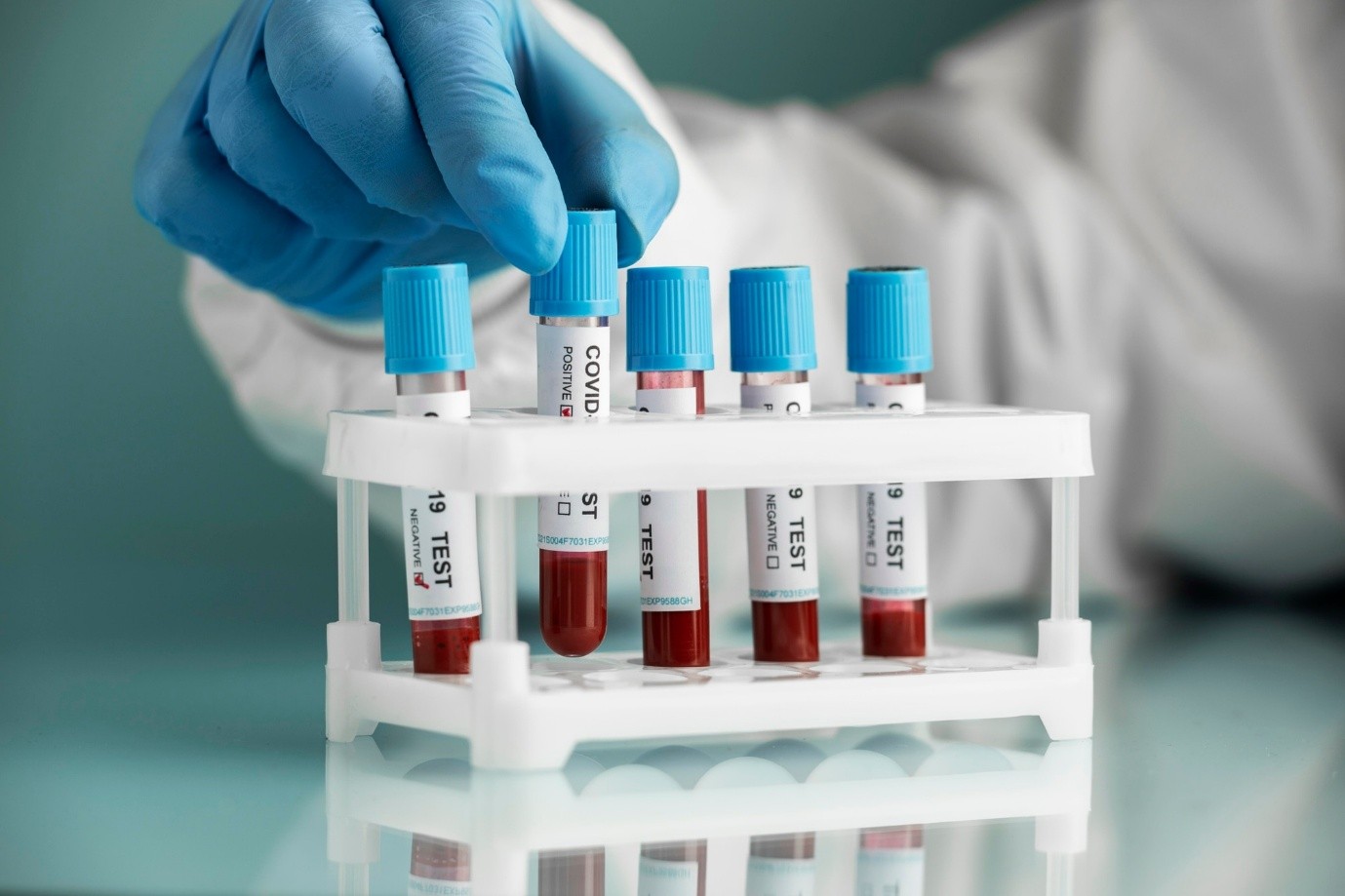
Not all tubes work the same. Tubes for blood collection come in different colors. Each color means something. Some tubes stop blood from clotting. Others help separate serum.
Using the wrong tube can mess up results. So staff must choose wisely.
But it goes deeper than that. Good tubes support the chain of custody by:
- Giving space for clear labels
- Holding tamper-proof caps
- Supporting barcode tracking
- Preventing leaks
These features keep the process tight and clean.
Labeling Makes or Breaks the Process
Labeling sounds simple. Yet it causes many problems.
Staff must label tubes right after collection. Not later. Not at the desk. Right there in front of the patient.
Each tube should include:
- Full name
- ID number
- Date
- Time
- Collector initials
This step builds trust. It shows the sample connects to the correct person.
If someone skips this step, trouble starts. A missing name can mean retesting. A wrong number can spark legal issues.
Small details matter here.
Tamper-Proof Features Keep Samples Safe
Modern blood collection tubes often include safety features. These are not fancy extras. They serve a real purpose.
Many tubes come with:
- Snap tight caps
- Security seals
- Locking lids
- Strong plastic walls
If someone tries to open the tube, signs appear. A broken seal raises a red flag.
This protects legal evidence. It also protects patients. Nobody wants a sample switched or altered.
It is simple. Seal it tight. Keep it secure.
Barcodes and Digital Tracking
Paper logs used to run the show. Now digital systems do most of the work.
Barcodes on tubes for blood collection link samples to computer records. Staff scans the tube at each step.
The system records:
- Collection time
- Transfer time
- Lab receipt time
- Technician handling
This creates a digital trail. No guesswork. No scribbled notes.
If someone asks where the sample went, the system shows the path.
Digital tracking adds speed and accuracy. It cuts down on human error.
Transport Rules Keep the Chain Strong
After collection, the samples travel. Some stay in the same building. Others move across cities. Transport rules matter.
Samples must stay at the right temperature. Some need cooling. Others stay at room temp.
They must travel in sealed biohazard bags. Paperwork stays separate from specimens.
Each transfer requires a signature. The person releasing and the person receiving both confirm the handoff.
It sounds strict. It needs to be.
If a sample goes missing or gets exposed to heat, results can change. Then trust disappears.
Staff Training Makes It All Work
Even the best tube cannot fix poor training.
Staff must know:
- Which tube to use
- How to draw blood in the correct order
- How to label on the spot
- How to seal and verify
- How to complete custody forms
Supervisors often check work. Audits catch mistakes early.
Many facilities also check photo ID before collection. This step confirms identity before the tube fills.
When trained staff use reliable tubes, the system runs smoothly. Like a well-oiled machine.
Final Thoughts
Chain of custody is not just paperwork. It is protection. It protects patients. It protects labs. It protects legal cases. Strong labeling, secure seals, proper storage, and trained staff all work together. Blood collection tubes may look small, yet they carry serious responsibility. When used the right way, they keep results solid and defensible. Cut corners, and things fall apart. Stay sharp and follow the steps. It pays off every time.
Frequently Asked Questions
What does chain of custody mean in blood testing?
It means tracking a blood sample from collection to final testing. Each person who handles it signs records to prove no tampering or mix-up occurred.
Why are tamper-proof caps important?
Tamper-proof caps show clear signs if someone opens the tube. This protects legal evidence and builds trust in test results.
How do labs track blood samples?
Labs use barcodes and digital systems. Staff scan tubes at each step. The system logs time and handler details automatically.
What happens if a blood sample is mislabelled?
A mislabelled sample may get rejected. It can delay care or cause legal issues. Proper labeling prevents confusion and protects accuracy.
Why is the right tube color important?
Each tube color contains specific additives. Using the wrong one can affect test accuracy and damage the chain of custody process.
Secure Your Testing Process with Reliable Supplies
Strong procedures start with dependable tools. All Star Medical Supply LLC offers quality collection products built to support safe handling and clear tracking. Equip your team with trusted supplies and keep your testing process solid from collection to final report.